
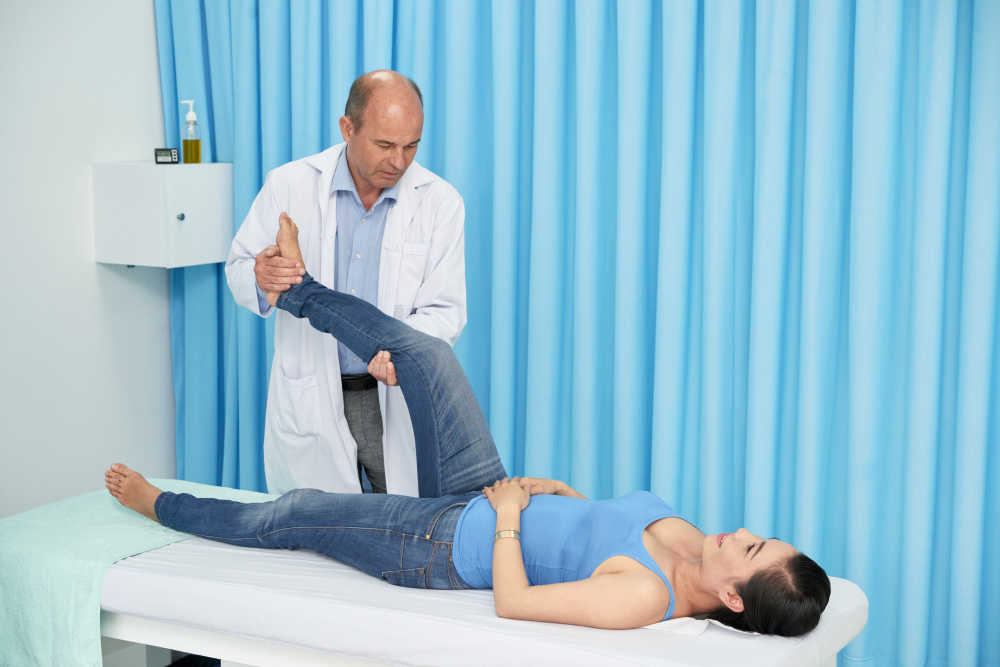
What Is Total Hip Replacement?
Total hip replacement is a surgery that replaces a damaged hip joint with an artificial one. Many people in the United States choose this procedure to relieve pain and improve movement. Often, doctors suggest total hip replacement when other treatments do not help. This surgery can help you walk, move, and enjoy daily life again.
Common Symptoms and Conditions Leading to Hip Replacement
Several symptoms may show you need a hip replacement. For example, you may notice:
Common conditions that lead to hip replacement include:
Causes and Risk Factors
Many things can cause hip joint damage. For instance, aging is a major factor. Over time, the hip joint wears out. Injuries, such as falls or accidents, can also harm the hip. Some people have diseases that affect the bones or joints. In addition, being overweight puts extra stress on the hip. Family history and certain jobs may also increase your risk.
How Total Hip Replacement Is Diagnosed
Doctors use several steps to decide if you need a hip replacement. First, they ask about your symptoms and medical history. Next, they check your hip movement and strength. Often, doctors order X-rays to see the joint. Sometimes, they use MRI scans for a closer look. If your pain is severe and other treatments do not help, your doctor may suggest surgery.
The Surgical Procedure: What Happens During Total Hip Replacement
Before surgery, you will meet with your care team. They will explain the hip surgery procedure and answer your questions. On the day of surgery, you receive anesthesia to keep you comfortable. The surgeon removes the damaged parts of your hip joint. Then, they place new artificial parts made of metal, plastic, or ceramic. The new joint helps your hip move smoothly. Most surgeries take about two hours. After surgery, you move to a recovery room for monitoring.
Recovery Process and Timeline
Recovery after total hip replacement takes time. Usually, you stay in the hospital for one to three days. Physical therapy starts soon after surgery. This helps you regain strength and movement. Many people use a walker or crutches at first. Most patients return to normal activities within three to six months. However, everyone heals at a different pace. Your doctor will guide you through each step.
Tips for a Successful Recovery and Rehabilitation
For the best results, follow these hip replacement success tips:
With effort and support, you can enjoy a smooth hip replacement recovery.
Prevention and Lifestyle Guidance After Surgery
After hip surgery, you can take steps to protect your new joint. For example, keep a healthy weight to reduce stress on your hip. Stay active, but choose low-impact activities like walking or swimming. Avoid high-impact sports that may harm your hip. In addition, use proper shoes to prevent falls. Regular check-ups with your doctor help catch any problems early.
Frequently Asked Questions About Total Hip Replacement
Conclusion
Total hip replacement can relieve pain and improve your life. With the right care, most people enjoy better movement and comfort. For personalized advice on total hip replacement, consult an orthopedic specialist near you.