
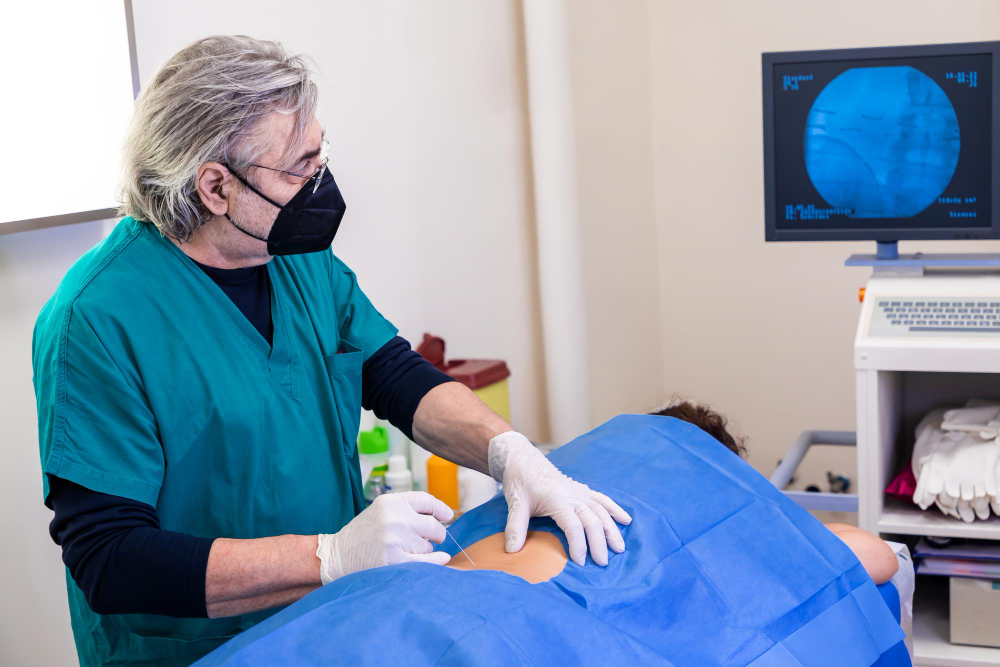
Hip arthroscopy is a minimally invasive hip surgery that helps doctors see and treat problems inside the hip joint. Many people choose this procedure because it uses small cuts and special tools. As a result, recovery is often faster than with open surgery. In this blog, you will learn what hip arthroscopy is, why it is done, how it works, its benefits, risks, and what to expect during recovery.
What Is Hip Arthroscopy?
Hip arthroscopy is a type of surgery that lets doctors look inside your hip joint using a tiny camera. This camera, called an arthroscope, is placed through a small cut in the skin. Because the cuts are small, this is known as minimally invasive hip surgery. The doctor can see the inside of your hip on a screen and fix problems using special tools. For example, they can remove loose pieces of bone or repair torn tissue. This surgery helps treat pain and improve movement in the hip.
Indications for Hip Arthroscopy
Doctors may suggest hip arthroscopy for several reasons. Often, it is used when other treatments, like medicine or physical therapy, do not help. Common reasons include:
How Is Hip Arthroscopy Performed?
First, you will receive anesthesia so you do not feel pain. Next, the surgeon makes two or three small cuts near your hip. Through one cut, they insert the arthroscope to see inside the joint. Through the other cuts, they use thin tools to fix the problem. For example, they may trim torn cartilage or remove loose pieces. The doctor watches everything on a video screen. After the repairs, the tools are removed, and the cuts are closed with stitches. Usually, you can go home the same day.
Benefits of Hip Arthroscopy
Risks and Potential Complications
Like any surgery, hip arthroscopy has some risks. However, most people do well. Possible risks include:
According to the American Academy of Orthopaedic Surgeons, serious problems are rare. Still, it is important to discuss hip arthroscopy risks with your doctor before surgery.
Recovery and Aftercare
After hip arthroscopy, most people go home the same day. However, you may need crutches for a few days. Your doctor will give you instructions to help you heal. For example, you may need to:
Most people return to normal activities within 6 to 12 weeks. However, full hip arthroscopy recovery can take longer if the repair was complex. Always follow your doctor’s advice for the best results.
Prevention and Lifestyle Guidance
To protect your hip and avoid future problems, you can:
Even small changes in daily habits can help keep your hips healthy.
When to Consult an Orthopedic Surgeon
If you have hip pain that does not improve with rest or medicine, it may be time to see a specialist. Also, if you notice swelling, trouble moving your hip, or hear clicking sounds, talk to your doctor. Early treatment can prevent more serious problems. Therefore, do not wait if your symptoms get worse.
Consult an orthopedic specialist for personalized advice on hip arthroscopy.