
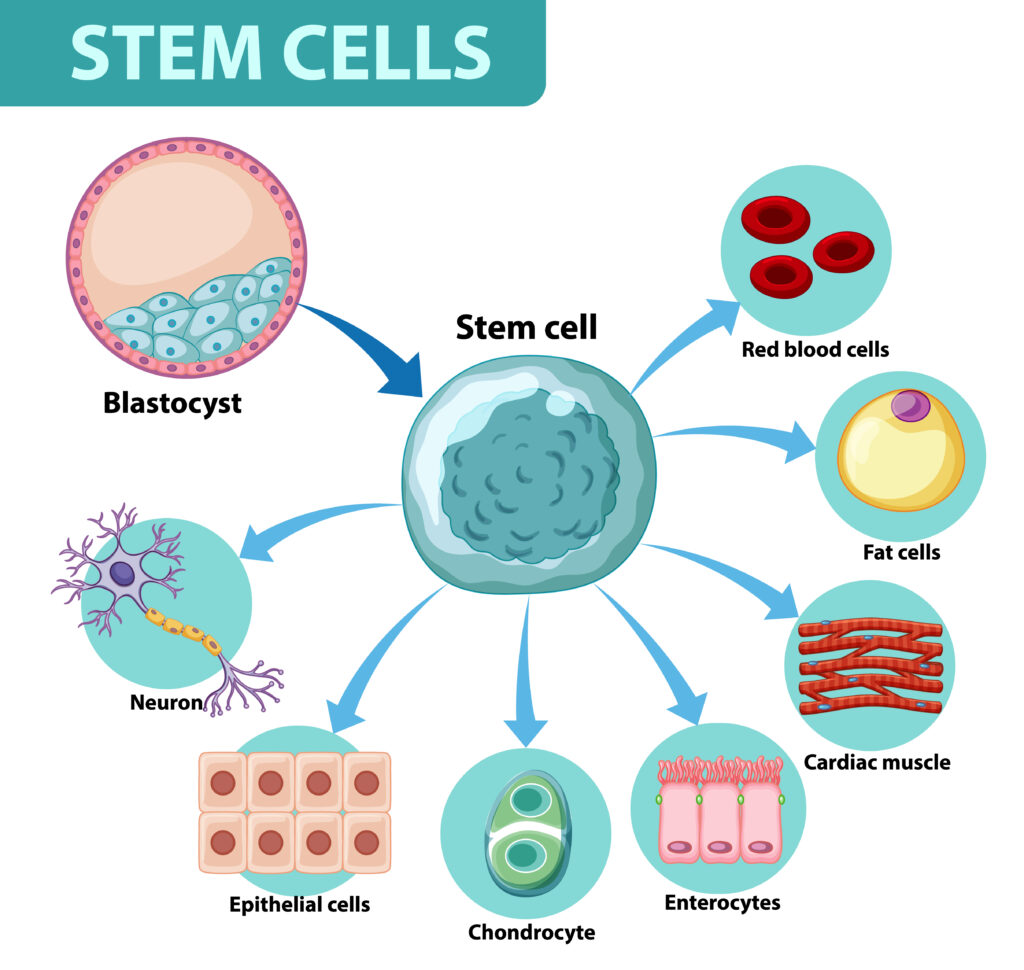
Introduction: What Are Stem Cells and Why Do They Matter in Orthopedics?
Stem cells are special cells that can turn into many different types of body cells. In recent years, the role of stem cells in orthopedics has grown. Doctors use them to help repair bones, joints, and cartilage. Because stem cells can become bone or cartilage cells, they offer new hope for people with injuries or arthritis. Globally, stem cell therapy in orthopedics is gaining attention for its potential to improve healing and reduce pain.
How Stem Cells Work in Orthopedics
Stem cells help the body heal by turning into the needed cell type. In orthopedics, doctors often use two main types:
Usually, doctors collect stem cells from the patient’s own body. Then, they inject them into the injured area. As a result, these cells may help rebuild damaged tissue. For example, they can help repair a torn knee or a broken bone.
Current Applications: Stem Cell Therapies for Bone, Cartilage, and Joint Repair
Today, orthopedic stem cell treatment benefits many patients. Doctors use stem cell therapy in orthopedics for several conditions:
In the United States and worldwide, research is ongoing. However, some clinics already offer these treatments for certain cases. Always check if the treatment is approved and safe.
Benefits and Limitations of Orthopedic Stem Cell Treatments
Stem cell therapy in orthopedics offers several advantages:
However, there are also some challenges:
Therefore, it is important to talk to your doctor about the risks and benefits. According to the CDC and peer-reviewed studies, more research is needed to confirm long-term safety and results.
Future Prospects: What’s Next for Stem Cells in Orthopedics?
Looking ahead, the future of stem cells in bone repair and joint care is bright. Scientists are studying new ways to use stem cells for more complex injuries. For example, they hope to treat severe arthritis or large bone defects. Ongoing research may lead to better, safer treatments. In addition, new technology could make these therapies more available and affordable. As a result, more people may benefit from orthopedic stem cell treatments in the coming years.
Patient Guidance: What Should You Know Before Considering Stem Cell Therapy?
If you are thinking about stem cell therapy in orthopedics, keep these tips in mind:
Remember, not every treatment is right for everyone. Therefore, always seek advice from a trusted medical professional.
Consult an orthopedic specialist to learn if stem cell therapy is right for you.