
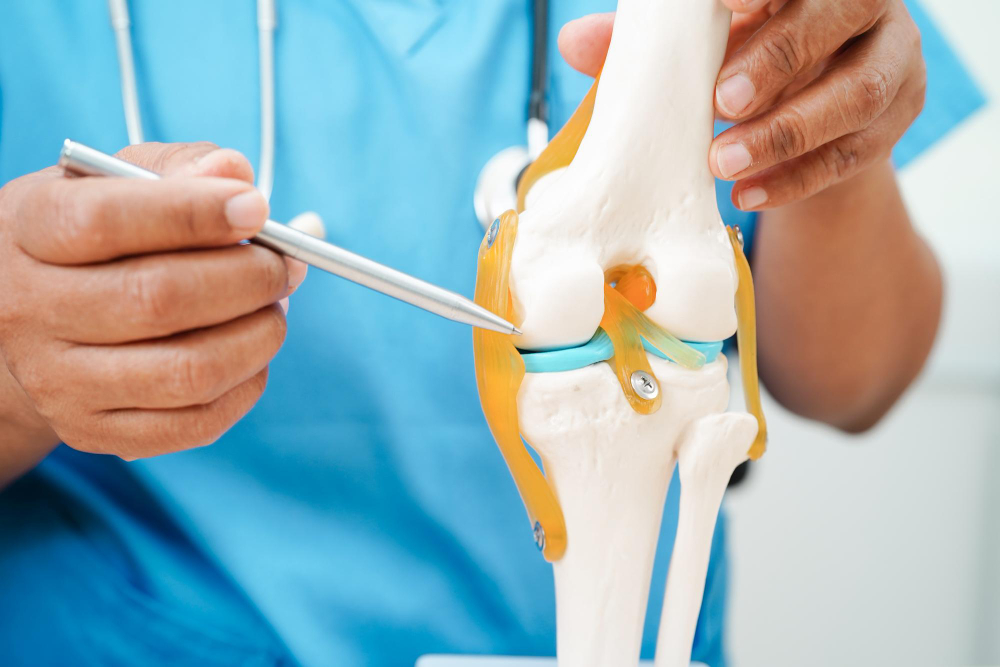
ACL surgery is a common procedure to repair a torn anterior cruciate ligament (ACL) in the knee. Many people need ACL surgery after sports injuries or accidents. If you have knee pain, swelling, or trouble walking, you may wonder if ACL surgery is right for you. In this blog, you will learn what ACL surgery involves, who may need it, and how to recover well. We will also share tips to help prevent future ACL injuries.
Symptoms and Causes Leading to ACL Surgery
Often, ACL injuries happen during sports or sudden movements. For example, twisting your knee or landing awkwardly can tear the ACL. When this happens, you may notice:
Because these symptoms can be serious, it is important to see a doctor. Sometimes, other knee parts like cartilage or other ligaments may also get hurt. Early treatment can help prevent more damage.
Diagnosis Before ACL Surgery
Before ACL surgery, doctors need to confirm the injury. First, your doctor will ask about how the injury happened. Then, they will check your knee for swelling, pain, and movement. Often, doctors use these steps to diagnose an ACL tear:
After diagnosis, your doctor will discuss if ACL surgery is the best option for you. Sometimes, physical therapy alone may help, especially for less active people.
The ACL Surgery Procedure
ACL surgery is usually done by an orthopedic surgeon. Before surgery, you may need to stop eating or drinking for a few hours. The doctor will explain the risks and benefits. During the procedure:
Most ACL surgeries take about one to two hours. After surgery, you will rest in a recovery room until you wake up fully.
Recovery After ACL Surgery
Recovery after ACL surgery takes time and effort. Usually, you can go home the same day. However, you will need to follow your doctor’s instructions closely. Here is what to expect:
Because everyone heals differently, your recovery may be faster or slower. Always follow your doctor’s advice for the best results. For more information, see resources from the CDC and WHO.
Prevention Tips
While not all ACL injuries can be prevented, you can lower your risk. Try these tips:
Additionally, coaches and trainers can teach safe movement skills to athletes. Prevention programs are helpful for teens and adults alike.
Frequently Asked Questions
How long does it take to recover from ACL surgery?
Most people need six to twelve months to fully recover. However, you may walk and do light activities much sooner. Your doctor will guide your progress.
What are the risks of ACL surgery?
Like any surgery, ACL reconstruction has risks. These include infection, blood clots, knee stiffness, or graft failure. Still, most people recover well with proper care.
Will I need physical therapy after ACL surgery?
Yes, physical therapy is very important. It helps you regain strength, movement, and balance. Skipping therapy can slow your recovery.
Can I return to sports after ACL surgery?
Many people return to sports after full recovery. However, you should wait until your doctor says it is safe. Rushing back too soon can cause re-injury.
Conclusion and Call-to-Action
In summary, ACL surgery can help you recover from a serious knee injury. Knowing what to expect before, during, and after surgery can make the process easier. Remember, prevention and proper care are key to long-term knee health. Consult an orthopedic specialist for personalized guidance on ACL surgery and recovery.